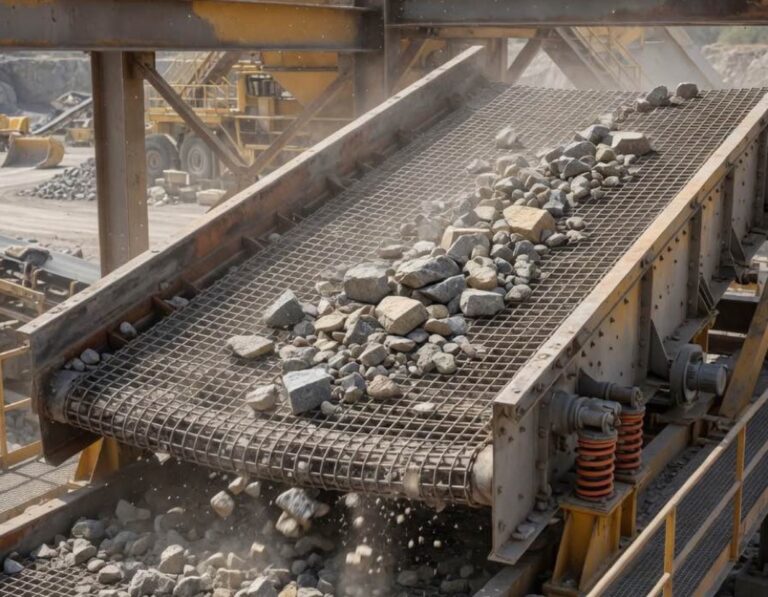

硬岩破碎筛分
我们写质量平衡。 我们下料切钢。 我们在验收单上签字。
Ridgecast designs and builds crushing, screening, and conveying plants for hard-rock mines and quarries. One office, one drawing set, one name on the handover — from ROM intake to the stockpile belt.
400 t/h 产能
16 周 首套交期
280 MPa 岩石强度
1 套 单线图纸
01 / The works
一个办公室,从掌子面到成品堆
Most plant failures are paper failures — a balance that never closed, a liner nobody stocked. Ridgecast keeps the whole chain in one office so the numbers survive contact with rock.
01
Design from a sample, not a brochure
Circuits are sized from your UCS, abrasion index, and a 200 kg PSD — never from a catalogue t/h. The circuits →
02
Machines built to a frozen drawing
First article ships with a liner set and the dimension sheet. Every repeat part goes out against the same drawing number. The machines →
03
Handover is a sheet, not a handshake
CSS, stroke, and amps at the agreed t/h, signed on the pad at first ore. That sheet drives your wear forecast for the next six months. The services →
02 / Machine catalog
5 machines, one circuit logic
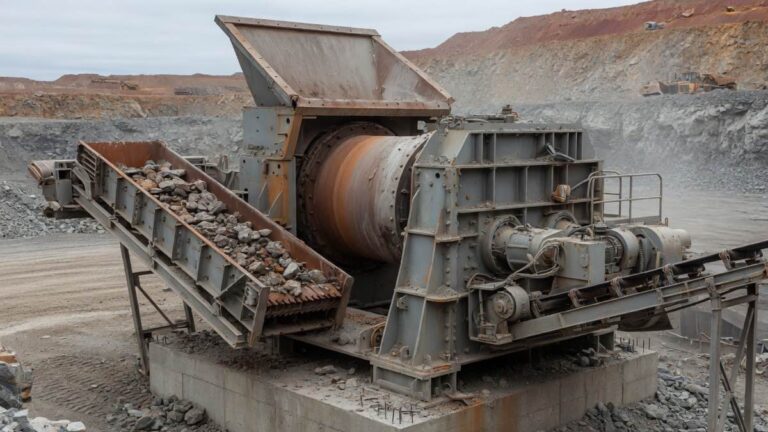
Each machine is sized to sit in a circuit — gape to CSS to deck cut to belt width. They also sell standalone, against the same drawings.


03 / Production lines
3 programmes, delivered as one circuit
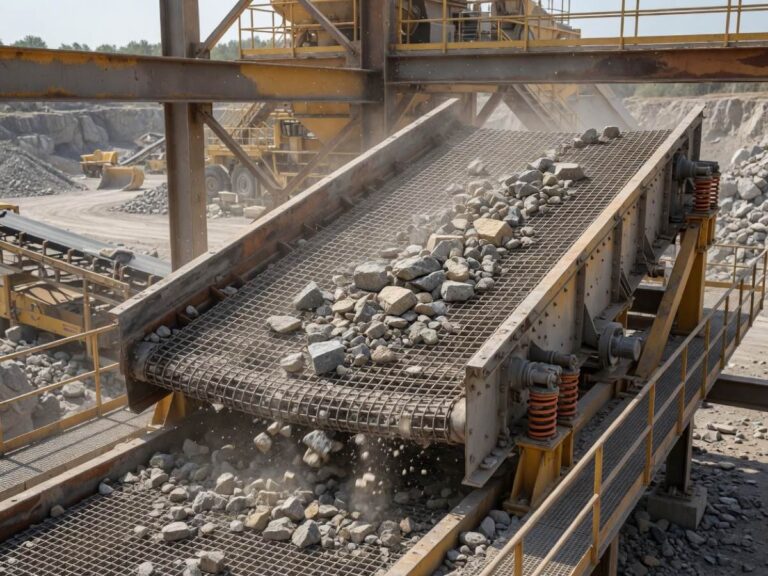
Circuits, not crates. Each programme ships as a mass balance, a steel list, the machines, and the first wear set — with civil and HV on the mine’s side of the fence, in writing.
04 / 服务
Paper, pads, and parts
3 services cover the life of a plant: the balance before the steel, the crew at first ore, and the liners for as long as the pit pushes back.
05 / Coverage
Where the plants go, what the stages are
Line categories
露天 — 1 条整线
井下 — 1 条整线
采石场 — 1 条整线
Process stages
给料 — 1 machine
初碎 — 1 machine
中碎 — 1 machine
筛分 — 1 machine
输送 — 1 machine
Send the rock type. Get a first view on t/h.
Tell the applications desk the rock, the target product, and whether it’s a pit, a decline, or a quarry. An engineer replies within three working days with a first view on tonnage and a first-steel date.